

It was about a year ago that I broke ground on our kitchen garden. I was given permission of my building’s gardening committee to take over some overgrown beds on the edge of the community garden. I now call these beds my ‘edge’ beds, but when I fist came to the garden there was nothing for them to be the edge of—but more on that in a bit. I don’t have many photos of the garden back then, but I found one that shows how beds used to look, and the corner of lawn that would end up becoming our kitchen garden.
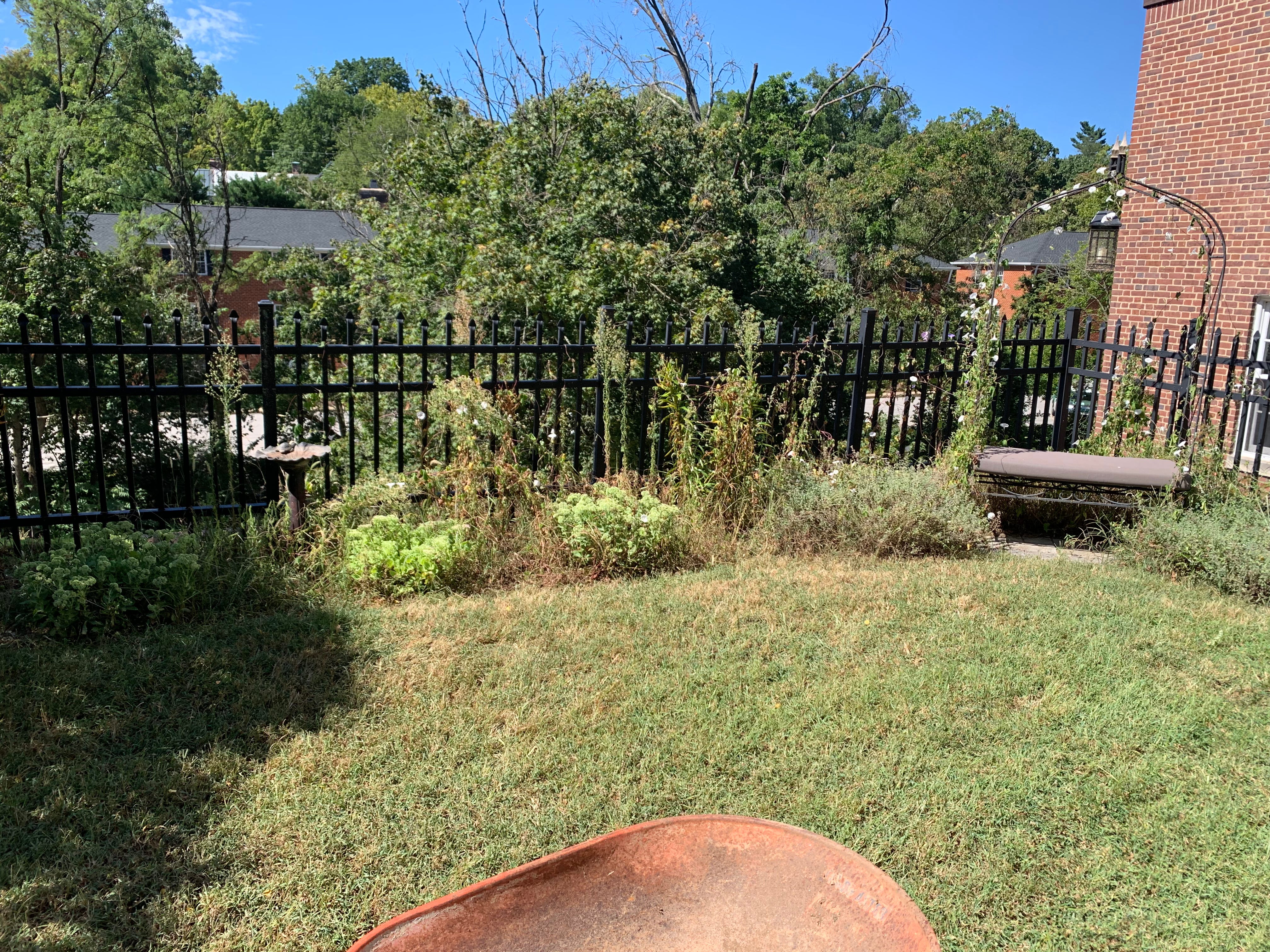
After clearing out the weeds it became clear that I’d need a bit more space. The goal was never to be sufficient, but I wanted this new garden I was planning to be kitchen garden, which to me meant it had to provide a variety of vegetables in meaningful quantity throughout much of the year.


Getting more bed-space was going to involve digging new beds out of lawn. This presented a small challenge because my building’s garden sits on top of the condo parking lot. There is only 30ish inches of soil sitting on top of concrete slab, and most of that soil is really not soil at all—its clay-y dirt from the building’s construction. This was especially true for the lawn, which had never benefited from the addition of compost or regular cultivation. When it came time to dig the beds I used the ‘deep bed’ method which basically involved cutting the sod in to cubes 1’ft deep, taking out the cubes, putting down some organic matter (leaves and compost in my case), and returning the original 'dirt’ cubes sod-side-down. The result is a slightly raised bed, with with some organic matter deeper down which will break down and improve soil quality over time.


Now, this is a much cheeper way of building a garden than buying raised beds and shipping in compost, but it probably took 50 man-hours to dig all four beds. I saved a lot of money, but I did a lot of hard labour moving literal tons of dirt around. This did a good job getting organic matter into the soil, and it also helped break up the compaction which clay-heavy soils like mine are prone to. The result was a great season where my vegetables were able to thrive and further develop the soil. However, I was done with heavy digging after laying out the beds, so this year I enlisted the worms to do the digging for me.
Worms decompose foliage, so by gathering up fallen leaves from my street and spreading them on my beds I am inviting the worms in my vegetable beds to ‘mix-up’ my soil for me. An afternoon’s worth of raking will keep tens of thousands of worms ‘fed’ for months, and they will so a more thorough job of mixing organic material through the soil than I could ever have done. Plus, putting leaves on the beds has the added benefit of suppressing weed growth and retaining moisture. The worms also form the foundation of a garden ecosystem of birds—who were all very loud today as I worked in the garden.
So while today wasn’t about planting anything to eat, by making sure that the worms are fed, I’m paying it forward and setting up the garden for a great season next year.
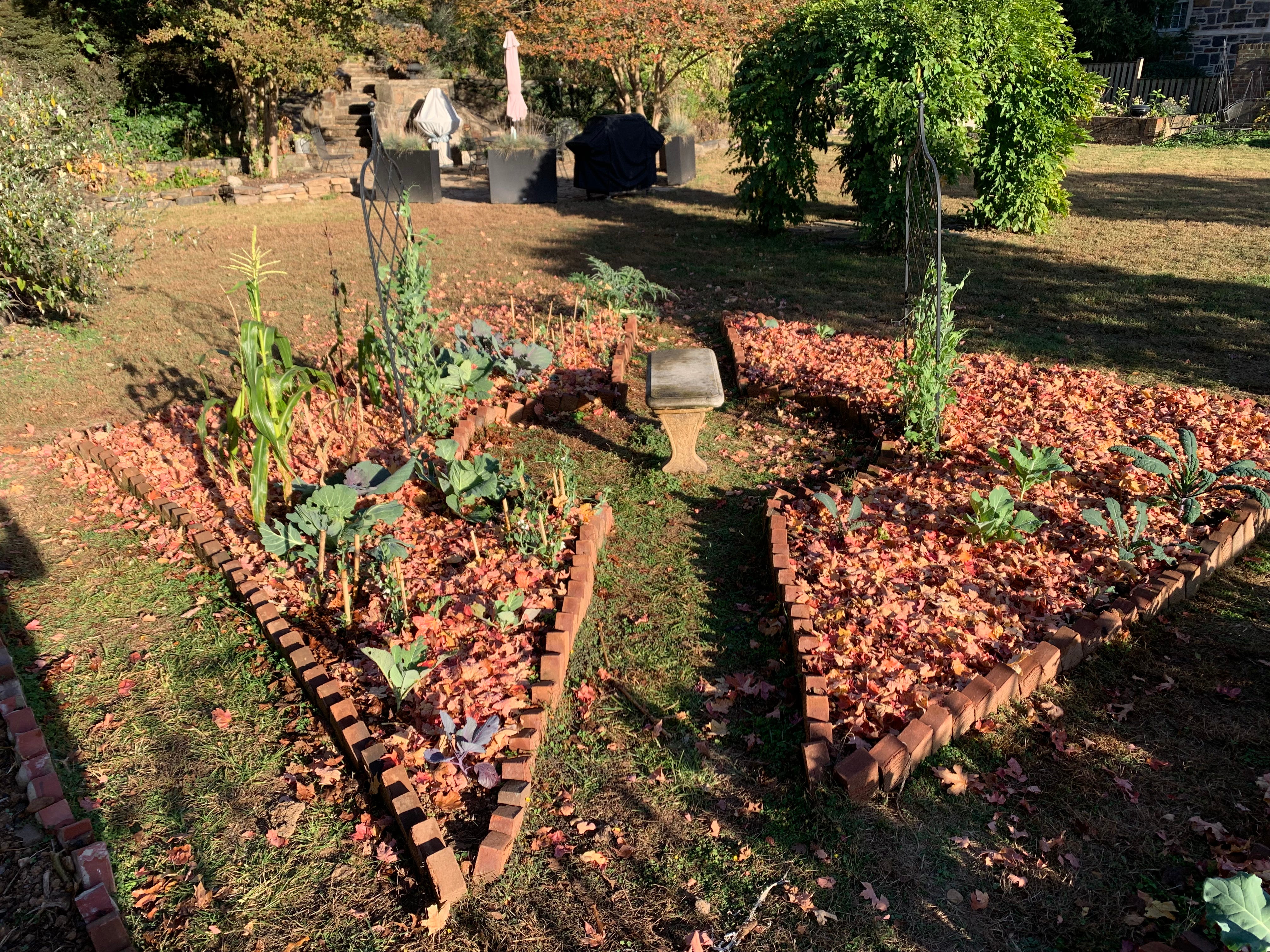
Apart from the leaves I also took some time to appreciate the fall crops which are really coming into their own at this stage. Both the peas and beans are coming in strong and we should have some of each before the frosts.


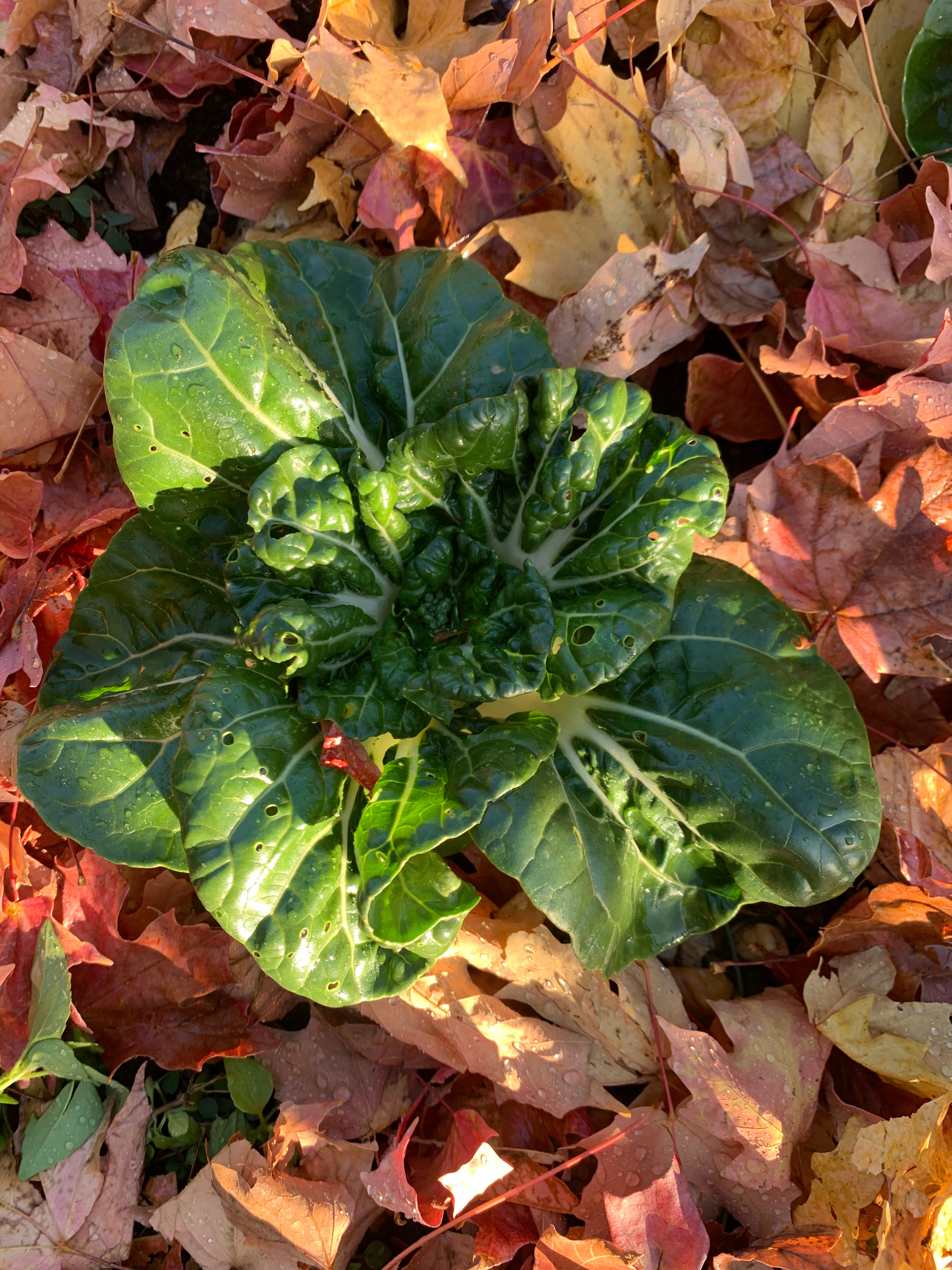
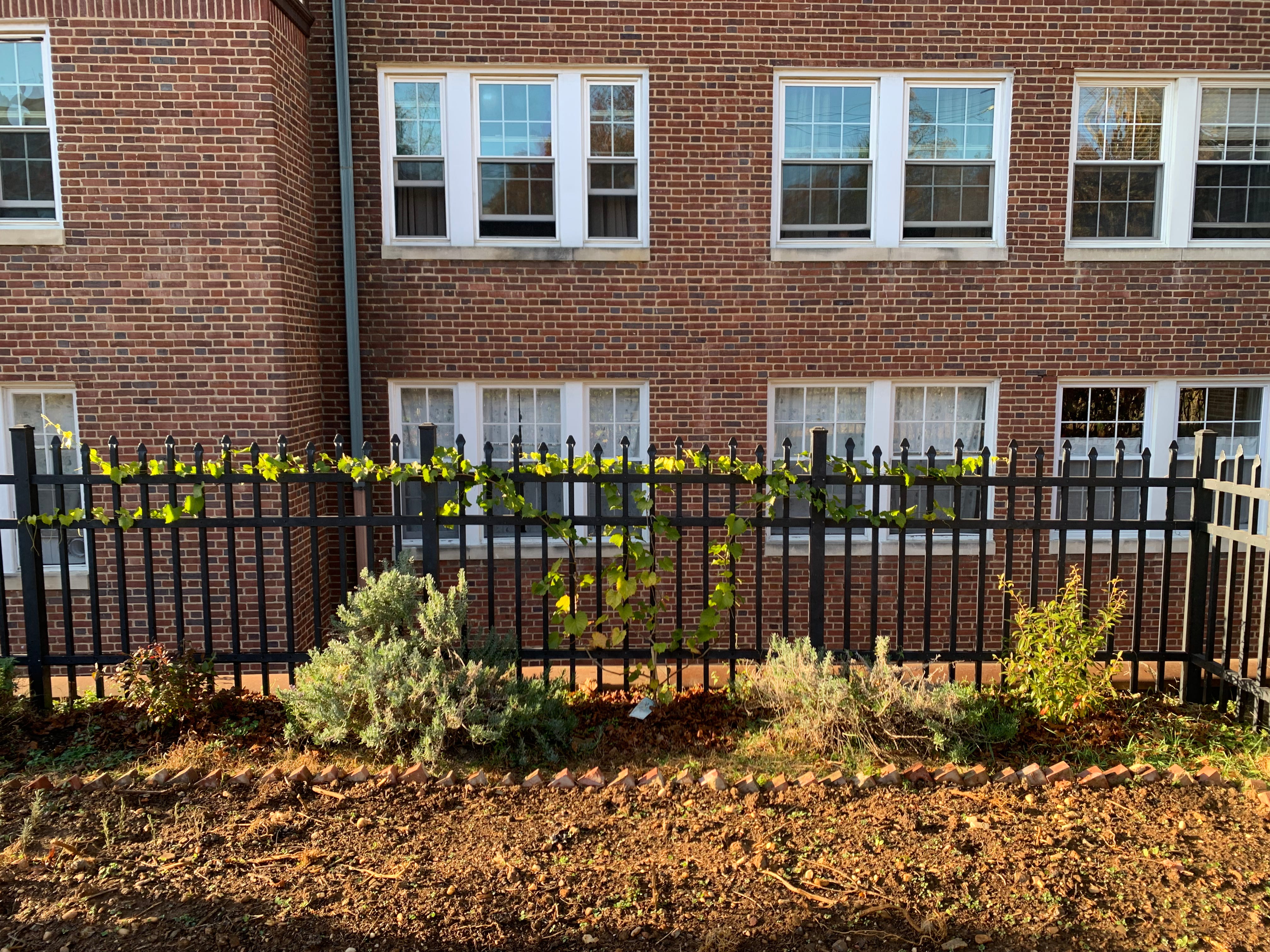
And finally, for plant of the week I submit for your consideration one of the baby bok choi, and our muscadine grape vine:
See you next week,
George


